The romantic’s rendition: Tokyo, oh the city of cultural enchantment that flows in such harmony with the modern-day wonders. Bullet trains flying by serene temples standing the middle of the city. You step out and walk in one direction and find yourself on the famous Shibuya crossing, amongst the thousands of office workers dressed in black suits and white shirts. You walk a couple of block in another direction and there are the Yoyogi park and Meiji Shrine where everyone is enjoying the greenery and performing yoga . This was just my first trip, but I think my romance with East Asia is just starting to bloom.
The photographer’s rendition:
Shrines and temples:
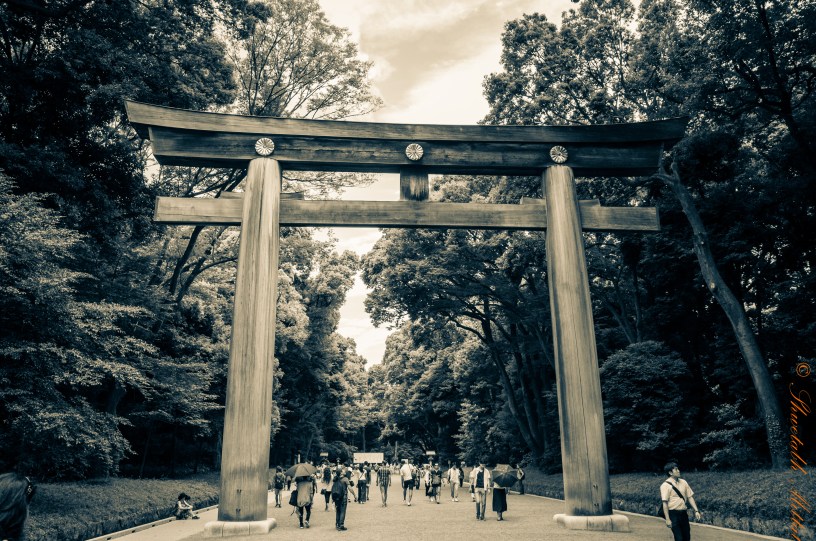
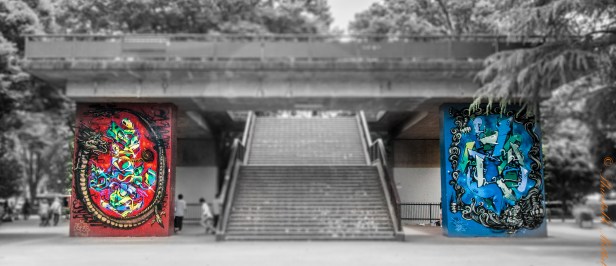
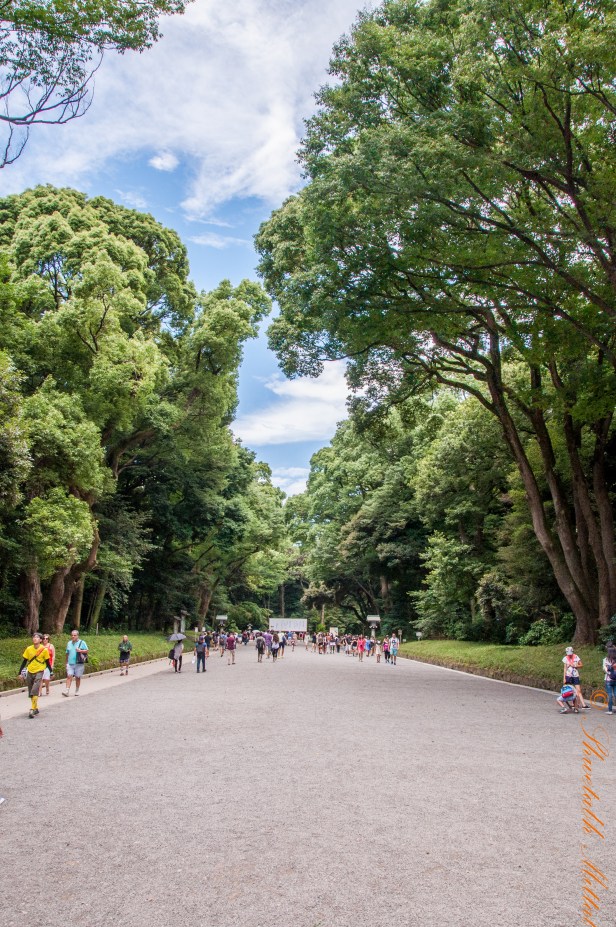
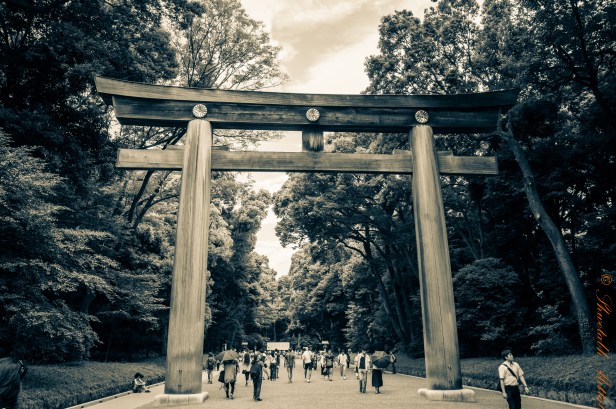
Street graffiti in the Yoyogi garden – We started our first day in Tokyo by walking from Shibuya to the Meiji Shrine. We chose to walk through the Yoyogi park which is a green escape from the busy city, right in the heart of Tokyo. Street graffiti are pretty uncommon in Japan, but when they do appear, they leave you in complete awe.The lush green Yoyogi garden – It was a very relaxing to walk through the park. As you can see, we weren’t the only ones. This patch of green is 70 hectares large, quite impressive given that Tokyo is otherwise packed to the rafters.The Torii (entrance gate) leading to the Meiji Shrine – The shrine was constructed at the turn of the century to commensurate emperor Meiji’s significant contribution to Japan. Read more about Emperor Meiji
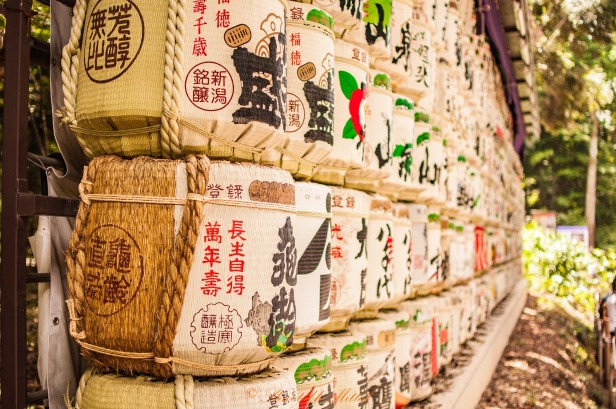
Sake barrels stacked high near the entrance of the shrine – Sake has a spiritual significance in the Japanese culture. It is believed to be the drink that brings God and men together. It is common to see large barrels of sake displayed at many of the temple given the spiritual symbolism they hold. In fact, it is very common for CEOs and public figures to break large barrels of sake as a sign for good luck during company gatherings and other events.
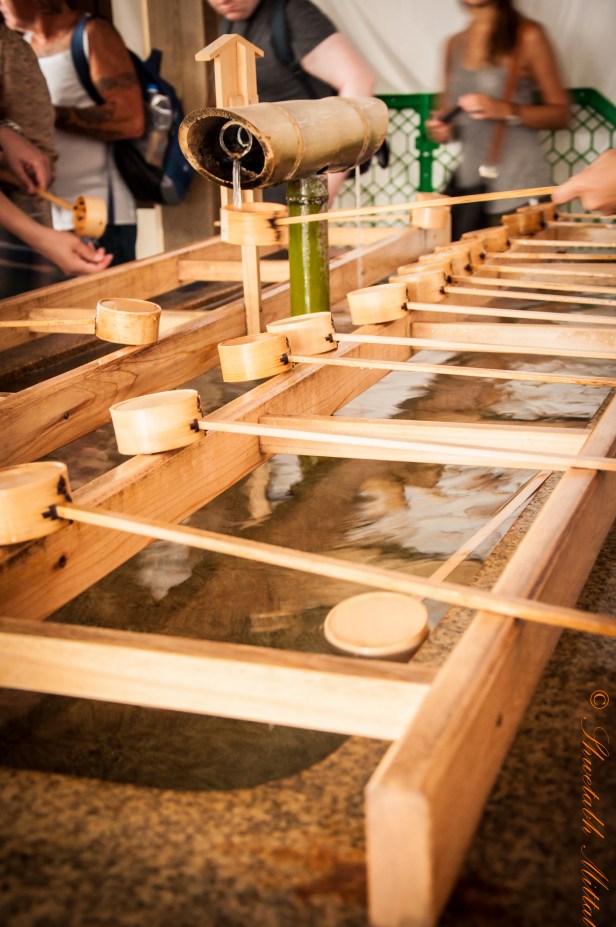
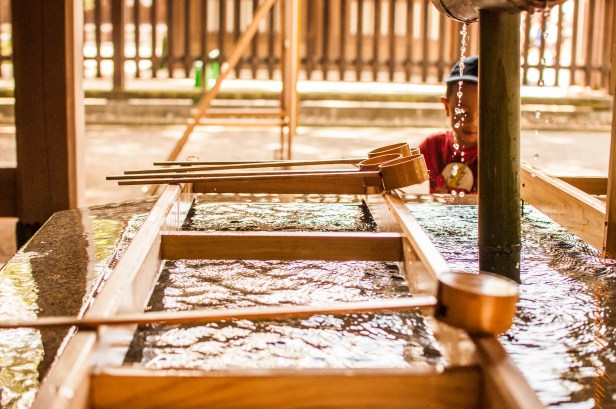
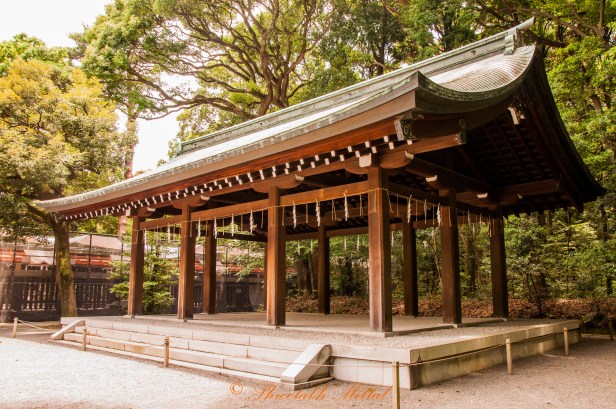
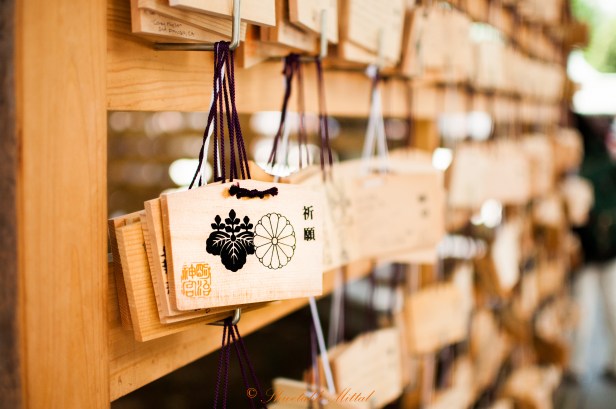
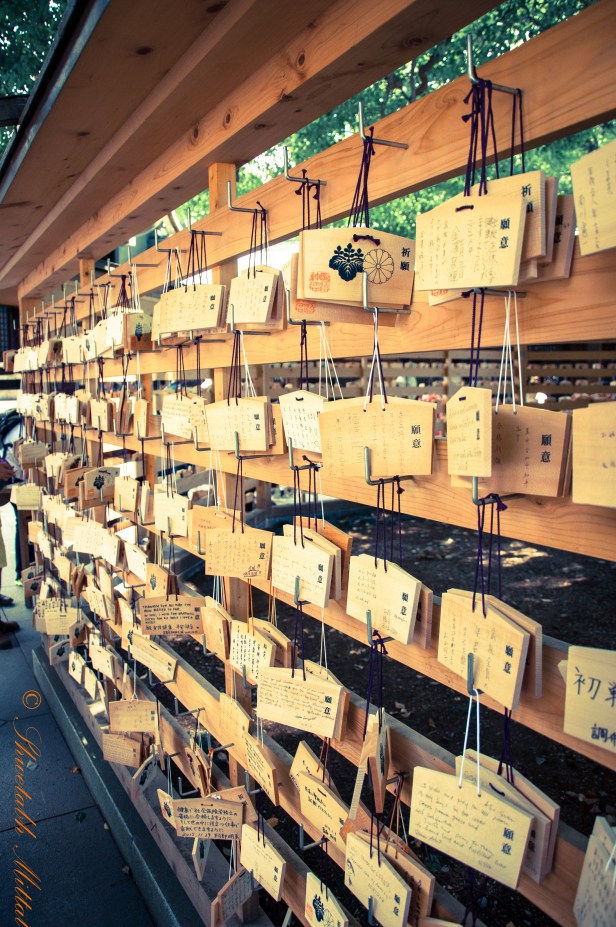
Communal purification at the shrine entrance – Per Japanese rituals, it is important to cleanse yourself physically and mentally as you enter a shrine. The communal area right before the entrance ran cold water and was very helping in getting to a relaxed state of mind, especially since it was such a hot day in July.A small boy playing with purification waterAn old communal gathering place in the front of the Meiji Shrine.Prayers hanging under the tree – Every day thousands of prayers are written and hung under the tree. Of course, I couldn’t understand any of it, but my wife did buy a placard, wrote a prayer and hung it under the tree. Seemed like the kosher thing to do 🙂
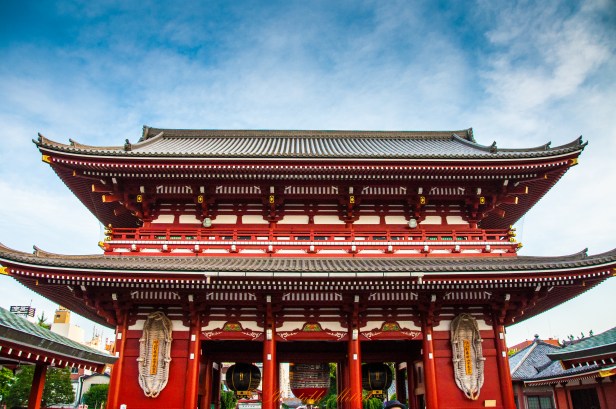
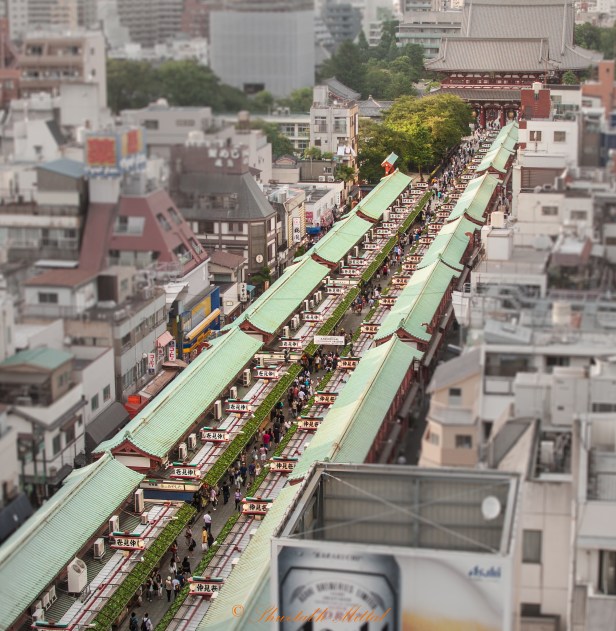
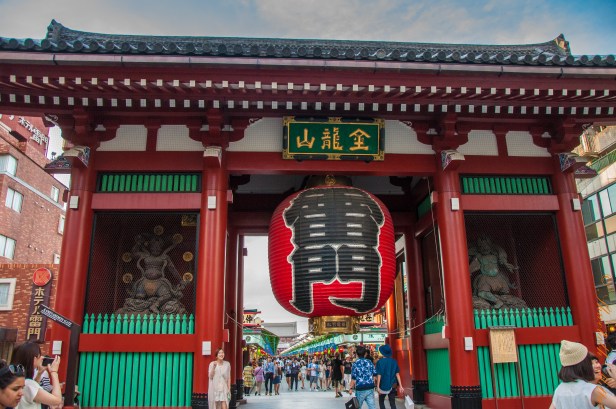
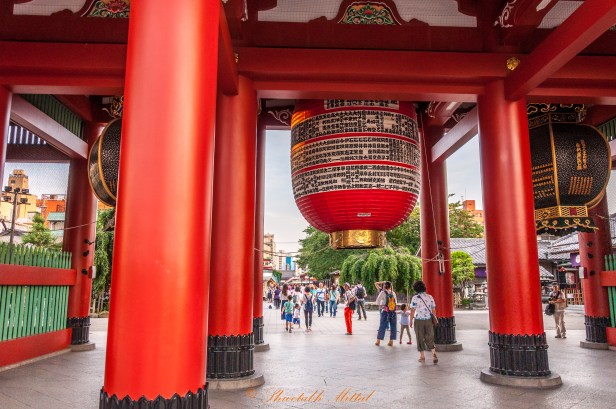
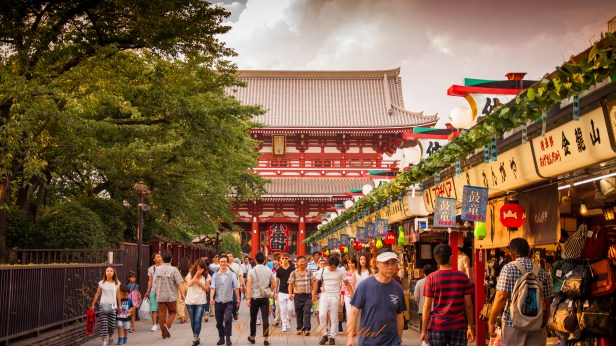
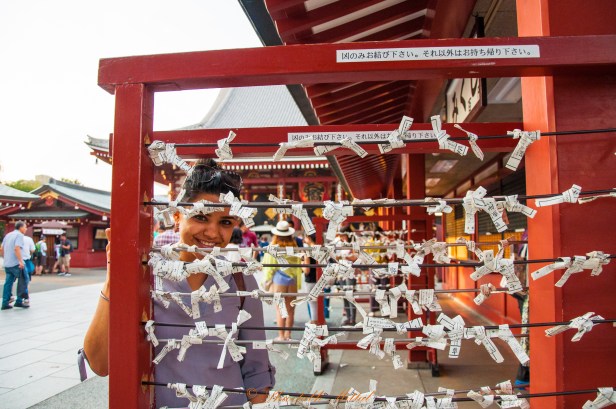
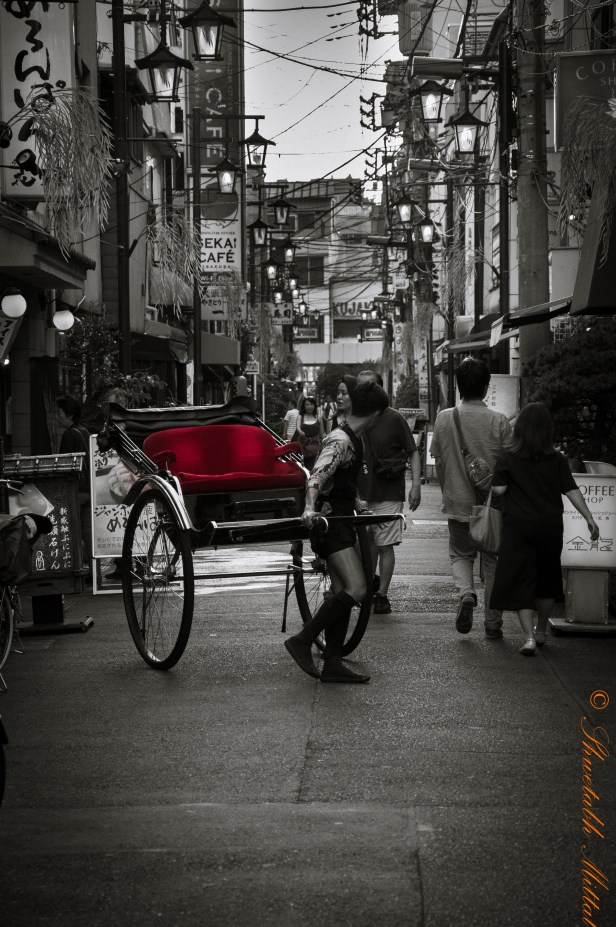
Another view of the thousands of prayers that are offered at the shrine everyday.Asakusa Shrine – This is the second most important shrine in the Tokyo city. Although, I must add that this is in direct contrast to the serene setting of the Meiji Shrine. It is very colorful, has a lot of street shopping in the area and certainly very touristy but in a good way. All-in-all it was great fun to be with the locals, eat a lot of local food and drink some sake at the end of the visit to this area.View of Asakusa from the top – The long alley of street shopping on the way to Asakusa. On a side note, the Asakusa visitor’s center right in front of the entrance (from where I clicked the picture), provides a great aerial view of the shrine. It is a quick 10-minute detour and I would add to on my list of must-dos.Front entrance leading to the street shopping area of the Shrine.Front entrance leading to the street shopping area of the Shrine.The shrine area provide spectular visual treats, with lot of locals and tourists walking around and enjoying local foods and other treatsHappy fortune– My wife was very happy with the fortune she drew out of the box at the shrine. The ritual is to draw a chopstick from a box with a number written on it. Then using the number draw your luck from the same numbered box. If the luck is good then tie it to the shrine area to make it real, if the luck is bad then also tie it to the shrine area to convert it to good. I like this way of fortune telling 🙂Handcart – Do remember to peek into and lose your way in the side streets from the Shrine. They can provide some unexpected experiences or visual treats. It’s always fun to take the long way back home in Tokyo, every corner is a new experience.
Day Trip to Hakone – We took a day trip to Hakone from Tokyo. Remember from my first blog entry, where I said that you need to get the “maximum juice for the weakest squeeze,” this is a clear example of that. You can comfortably make a day trip to the area and enjoy the sites without having to lug all your stuff with you to spend the night there. Unless you are planning to stay there for 2-3 nights, I would highly recommend just a day trip . You have two options to make the trip from Tokyo:
a.) JR Pass friendly trip – Take the Shinkansen train to Odewara and then buy a Hakone day pass that will cover all the different means of transportation in the area. There are plenty of means of transportation to enjoy (train, cable car, ropeway, bus and boat) and believe me that the pass will come in very handy and save you a lot of money.
b.) Slightly faster route, but may cost more – Take the “Romance car” from Shinjuku to Hakone and you may end up saving about 30 minutes on the trip. It costs about 2000 Yen per person for a one-way trip. Be reminded that you will still need to buy the Hakone pass once you are in the Hakone area. So overall, I felt that it wasn’t worth it and we stuck to utilizing our JR pass to the fullest.
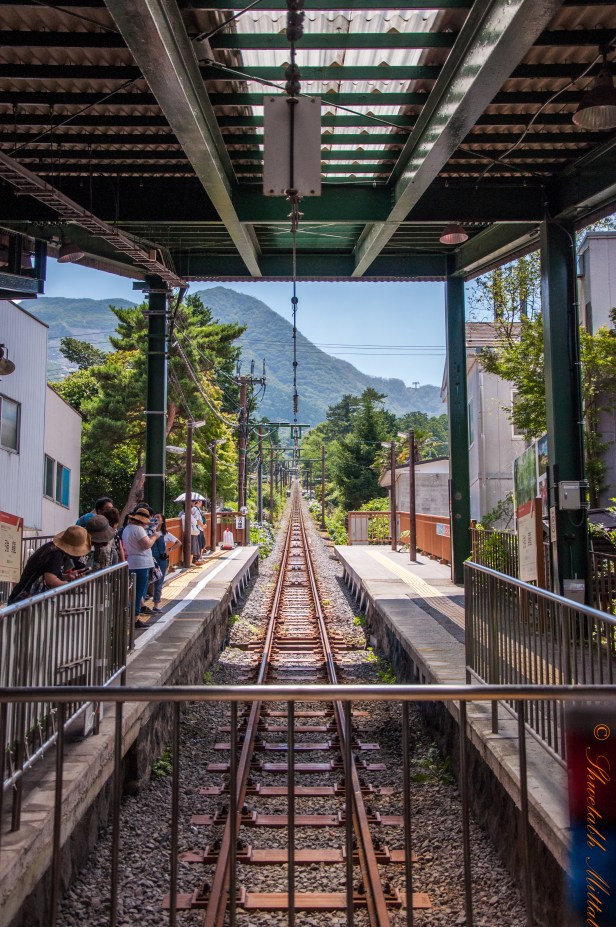
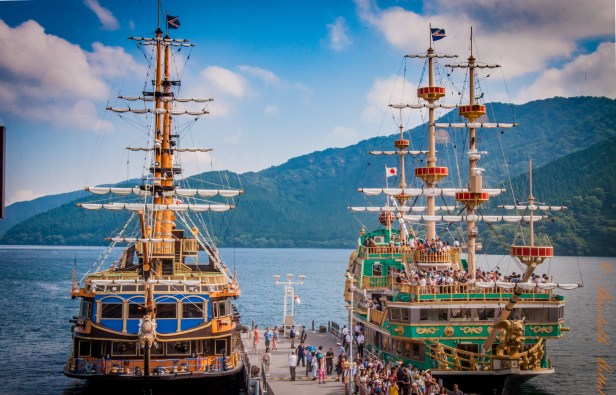
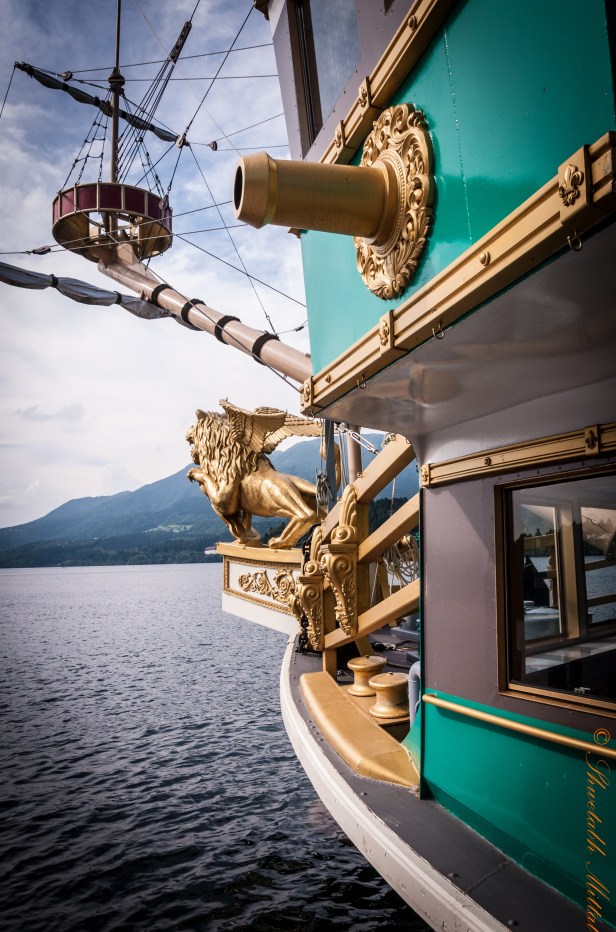
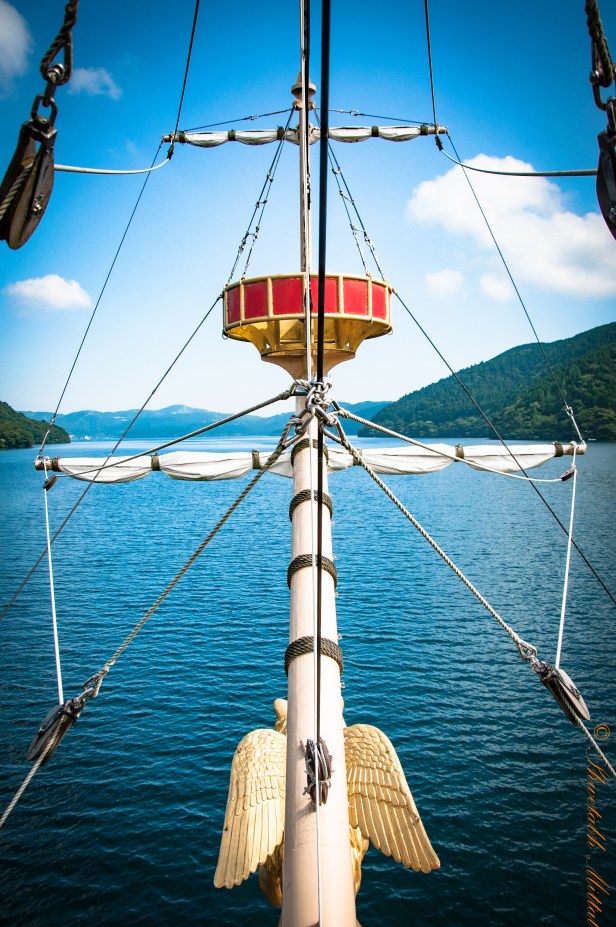
The steep train ride that took us to the top of the Mountain.Boat ride in Lake Ashi – Honestly, this was the best part of the day. We took a 45-minute boat right in these majestic boats across lake Ashi. The weather was perfect, it was a fantastic visual treat of colors, we saw Mt. Fuji in the distance and were able to get a taste of Japanese countryside. Couldn’t have asked for more.Majestic boats in Lake AshiAs you can see, my wife was ecstatic 🙂Another view of the boat ride
That’s it for this blog entry. In the next entry, I will cover the foodie’s rendition of Tokyo, plus our adventures of buying knives in the Kappabashi area of Tokyo.
How did you like my post? If you have questions, comments or feedback, please use the following to send your love:



 Wander Lust